Root canal treatment: what actually happens in the chair
Root canals have a reputation they do not really deserve. Here is what the treatment involves and why it is done.
October 16, 2026 · 4 min read
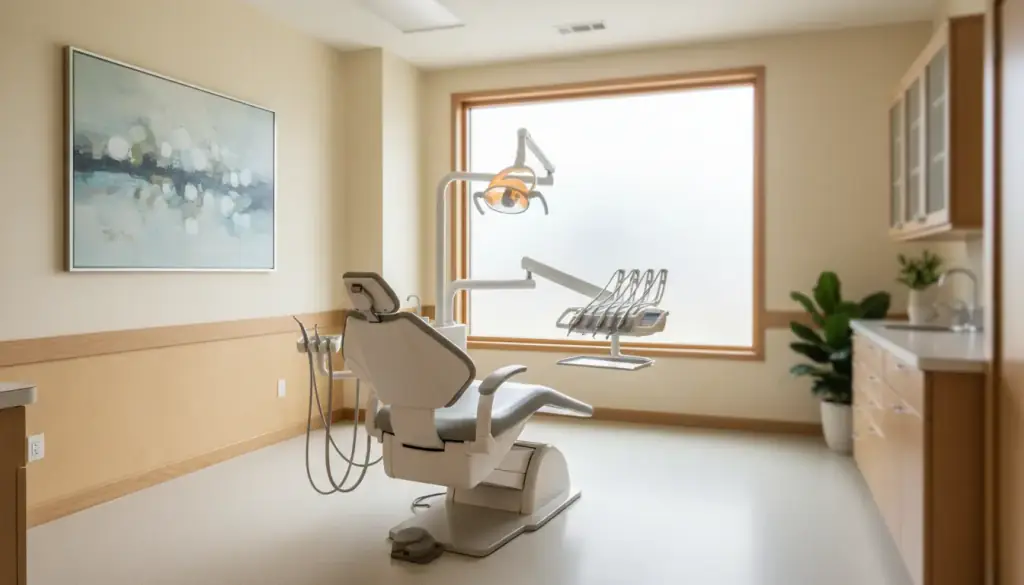
Few phrases in dentistry make people tense up like root canal. The reputation goes back decades, and it has stuck around long after the treatment changed. Understanding what is actually going on inside the tooth usually takes most of the fear out of it.
What is inside your tooth
Every tooth has layers. The hard white enamel covers the outside. Under that is dentin, a softer layer. In the center, running down through each root, is the pulp: a small bundle of nerves and blood vessels that helped the tooth grow when you were young. A fully grown tooth can survive without the pulp because it is nourished by the tissues around it.
Trouble starts when bacteria reach the pulp. That can happen through a deep cavity, a crack or chip, a leaky old filling, or an injury to the tooth. The pulp becomes inflamed and infected, and because it sits in a tight space it has nowhere to swell. That is a big part of why the pain can be so intense. The infection can also spread past the tip of the root and form an abscess in the bone and gum.
Signs you may need one include:
- A toothache that lingers, throbs, or wakes you at night
- Sensitivity to hot or cold that hangs on after the heat or cold is gone
- Pain when you bite down or press on the tooth
- A tooth that has darkened compared with its neighbors
- Swelling or tenderness in the gum near the tooth, or a small pimple-like bump on the gum
Sometimes there are no symptoms at all, and the problem shows up on an X-ray at a checkup. If any of the signs above sound familiar, do not wait for it to go away. An infection in a tooth rarely resolves by itself, and it tends to get worse. Ask about emergency care if the pain or swelling is severe.
What happens during treatment
Every case is a little different, and your dentist will walk you through yours. In general, the visit goes like this:
- The dentist examines the tooth and takes an X-ray to see the shape of the roots and any infection around them.
- The area is numbed so you are comfortable. If you are anxious about dental work, tell the team in advance, because there are ways to help you relax.
- A small opening is made in the top of the tooth to reach the pulp chamber.
- The infected or damaged pulp is removed, and the narrow canals inside the roots are cleaned and shaped.
- The space is disinfected and then filled and sealed so bacteria cannot get back in.
- The opening is closed with a temporary or permanent filling.
The point of the whole procedure is to take the source of the infection out of the tooth while keeping the tooth itself. The tooth stays in your mouth, held in place by its natural root, and you keep your own bite.
Many people find the treatment feels much like having a deep filling done. The pain they came in with is usually the infection, and the treatment is what ends it.
After the procedure
Once the numbness wears off, it is normal for the tooth and the surrounding gum to feel tender for a few days, especially when you bite. Your dentist will tell you what to expect, how to manage the soreness, and what to avoid eating while the tooth settles. Follow those instructions closely and call the office if the pain gets worse instead of better, or if swelling develops.
A tooth that has had a root canal is often more brittle than before, because it has lost the blood supply and usually a good amount of structure to decay or to the opening itself. For that reason, many treated teeth, especially the back ones that do the heavy chewing, are protected with a crown. Your dentist will tell you whether that is recommended for your tooth, and the sooner it is placed, the better the tooth tends to hold up. Keep brushing and flossing around it as you would any other tooth.
What if you say no
You always have a choice, and a good dentist will lay out the options plainly. The main alternative is to have the tooth removed. That can end the infection, but it leaves a gap, and a gap has consequences. Neighboring teeth can drift, the opposing tooth can shift, and chewing changes. Most people then want to replace the tooth with a bridge, an implant or a removable option, and each of those has its own steps and considerations. Leaving the infection alone is the one choice that rarely works out, since it can spread.
If your tooth hurts
Root canal treatment is one of the general dentistry services at Mill Creek Family Dental in Lafayette, and the practice offers emergency dental care for the kind of toothache that cannot wait. Dr. Cronkhite explains the diagnosis, the treatment and the options in plain language. If you have a tooth that is hurting, call 765-471-6025. The office is open Monday through Thursday from 8 AM to 5 PM and Friday from 8 AM to 1 PM.
Mill Creek Family Dental, 765-471-6025
Call 765-471-6025More articles
Sippy cups, juice and raising cavity-free kids
The cup is not the problem. What goes in it, and how often it gets sipped, is where baby teeth get into trouble.
How to floss properly, and what plaque and tartar are up to in the meantime
Most people floss a little, now and then, and wonder if it counts. Here is how to do it so it actually works.